

Children are naturally curious, and often want to explore, climb, touch, and investigate things adults might ignore or avoid. When a property contains something that looks fun or interesting but is actually dangerous, that curiosity can quickly lead to serious injuries. Under the Michigan attractive nuisance doctrine, property owners might be held responsible when unsafe conditions on their land attract children who do not understand the risks involved.
If you’re a parent, property owner, or simply trying to understand your legal rights, it helps to know how the doctrine works and when it applies. What is an attractive nuisance? Who is responsible? How do courts decide liability? These questions often come up in personal injury cases involving children. Let our competent Grand Haven personal injury attorney explain how the attractive nuisance doctrine works and how Michigan courts apply it to protect children.
What Is an Attractive Nuisance?
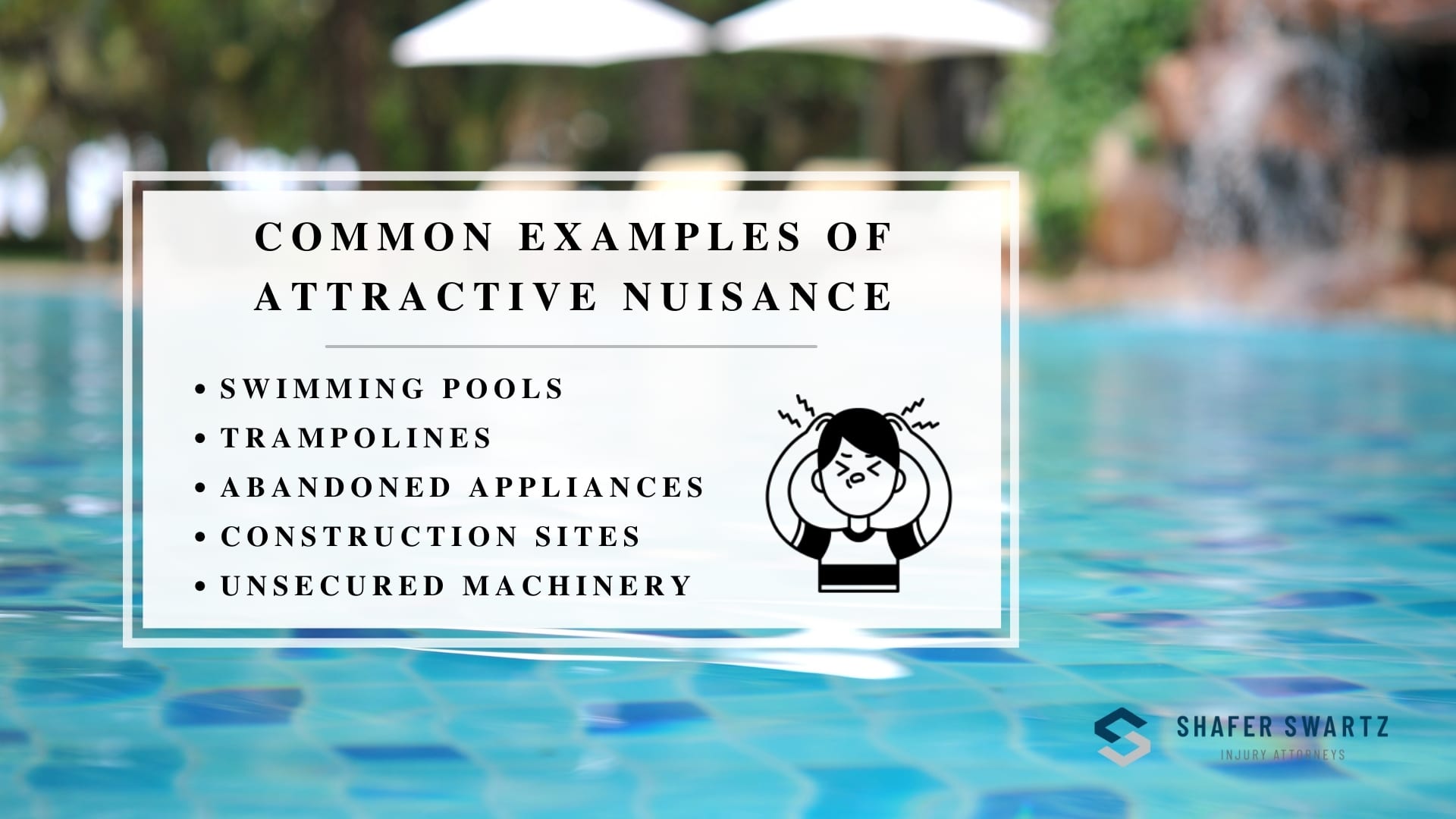
The attractive nuisance doctrine is a legal principle that holds property owners responsible when a dangerous condition on their property attracts children and causes harm. If you’re asking, “What is an attractive nuisance?” It generally refers to something that is both appealing to children and unsafe, such as swimming pools, trampolines, abandoned appliances, construction sites, or unsecured machinery.
Children are treated differently from adults because the law recognizes that kids lack the same judgment, experience, and ability to assess danger. While adults are generally expected to avoid obvious hazards, children are not held to that same standard. The attractive nuisance doctrine exists because children might be unable to resist curiosity or fully understand the consequences of their actions.
How Michigan Applies the Attractive Nuisance Doctrine
Michigan applies the attractive nuisance doctrine through specific legal requirements. Courts do not automatically hold a property owner liable just because a child was injured. Instead, judges look at several factors to decide whether the property owner failed to meet their legal duty. These factors include whether the owner knew or should have known that children were likely to trespass in the area, whether the condition posed an unreasonable risk of serious harm, and whether the child was unable to understand the danger due to their age and maturity.
Furthermore, Michigan courts examine whether the burden of fixing or securing the dangerous condition was slight compared to the risk it posed to children. For example, installing a fence around a pool or locking access to hazardous equipment is often considered a reasonable step. If a property owner fails to take simple precautions, that failure can weigh heavily in favor of liability. A local Grand Haven personal injury attorney can help you evaluate the facts and determine whether the attractive nuisance doctrine applies to your specific situation.
Common Attractive Nuisance Scenarios in Michigan Injury Cases
Residential properties are a frequent source of attractive nuisance personal injury claims because many common household features naturally draw children in. Unfenced swimming pools, backyard trampolines, swing sets, treehouses, and even abandoned appliances can all pose serious risks. These hazards might look fun or harmless to a child, but can cause severe injuries if not properly secured. Michigan law expects property owners to recognize that children might wander into neighboring yards and take reasonable steps to prevent foreseeable harm.
Other attractive nuisance cases involve commercial and construction-related hazards. Construction sites often contain open pits, heavy machinery, loose materials, or partially built structures that invite exploration. Businesses with dumpsters or outdoor equipment face similar risks. If children frequently pass by or live nearby, property owners are expected to anticipate that kids might try to enter these areas. When injuries occur, Michigan courts look closely at whether reasonable steps were taken to limit access and reduce danger.
Challenges in Proving Attractive Nuisance Claims
Property owners often raise strong defenses to avoid liability. One common argument is that the condition was not actually dangerous or that it was not likely to attract children. Owners might further claim there was no reason to expect children to be on or near the property. In some cases, owners argue that reasonable safety measures were already in place, such as fences, warning signs, or locked access points. These defenses can make it harder to prove liability under the attractive nuisance doctrine.
Another challenge is proving that the child could not understand the danger involved. Michigan courts consider the age of the child, maturity, and ability to recognize risk. Generally, younger children are given more protection, while older children might be expected to understand certain dangers. Parents and experienced Grand Haven personal injury attorneys often rely on testimonies, medical records, and expert witness opinions to show that the child lacked the ability to appreciate the danger at the time of the injury.
Why You Need a Michigan Injury Attorney for Child Injury Claims
Working with Shafer Swartz PLC gives you access to legal experts who understand how child injury claims are evaluated and defended. Our seasoned Grand Haven personal injury attorneys know how to gather evidence, address common defenses, and present a clear case showing why a property owner should be held responsible. We’re here to protect the rights of your child and pursue compensation that can help cover medical care, long-term needs, and the impact the injury has on your family. Contact us today at (231) 722-2444 or here to schedule a consultation.