

A dog bite can happen anywhere, including an apartment hallway or perhaps the front porch of a rented home. When you suffer a dog bite injury at a rental property, you might wonder who should pay for your medical bills and other losses. The dog owner is often the first person to consider, but the landlord or property management company might share responsibility under certain circumstances. Let our seasoned Muskegon dog bite lawyer explain when a tenant dog bite can lead to a personal injury claim against a landlord, what evidence matters, and how you can protect your rights after an attack.
Who Is Legally Responsible for a Dog Bite at a Rental Property?
Michigan generally holds dog owners liable for qualifying bite injuries. If a dog bites you without provocation while you are on public property or lawfully on private property, not a trespasser, the dog owner can be responsible for your damages, and you do not need to prove that the dog previously attacked someone or that its owner knew it was dangerous. That’s known as strict liability, and it can apply when you are visiting the apartment of a friend or walking through a rental community where you have permission to be.
Note that the statutory responsibility of a dog owner differs from a negligence claim against the landlord. To establish negligence, you need to show that the landlord owed you a duty of care, failed to meet that duty, and caused an injury as a result. Michigan courts consider whether the landlord knew about the dangerous behavior of the dog and had relevant control or authority. Depending on the facts, you might have a claim against the dog owner and a separate claim against the landlord.
When a Landlord May Be Held Liable for a Tenant’s Dog
A key question when evaluating landlord liability for a dog bite in Michigan is what the landlord knew before the attack. Did other tenants report that the dog had bitten someone? What specific actions, if any, did the landlord take in response to those reports? However, even proof of prior warnings does not necessarily establish liability, and you still need to consider whether the landlord had a relevant legal duty and a lawful, practical way to address the particular risk.
Furthermore, the location of the attack matters. Landlords generally give tenants exclusive possession of their rented homes while retaining control over shared walkways and other common spaces. Michigan requires residential landlords to keep common areas fit for their intended use, but that does not make them automatically liable whenever a dog attacks there. The ability of the landlord to evict a tenant does not, by itself, establish control over the animal.
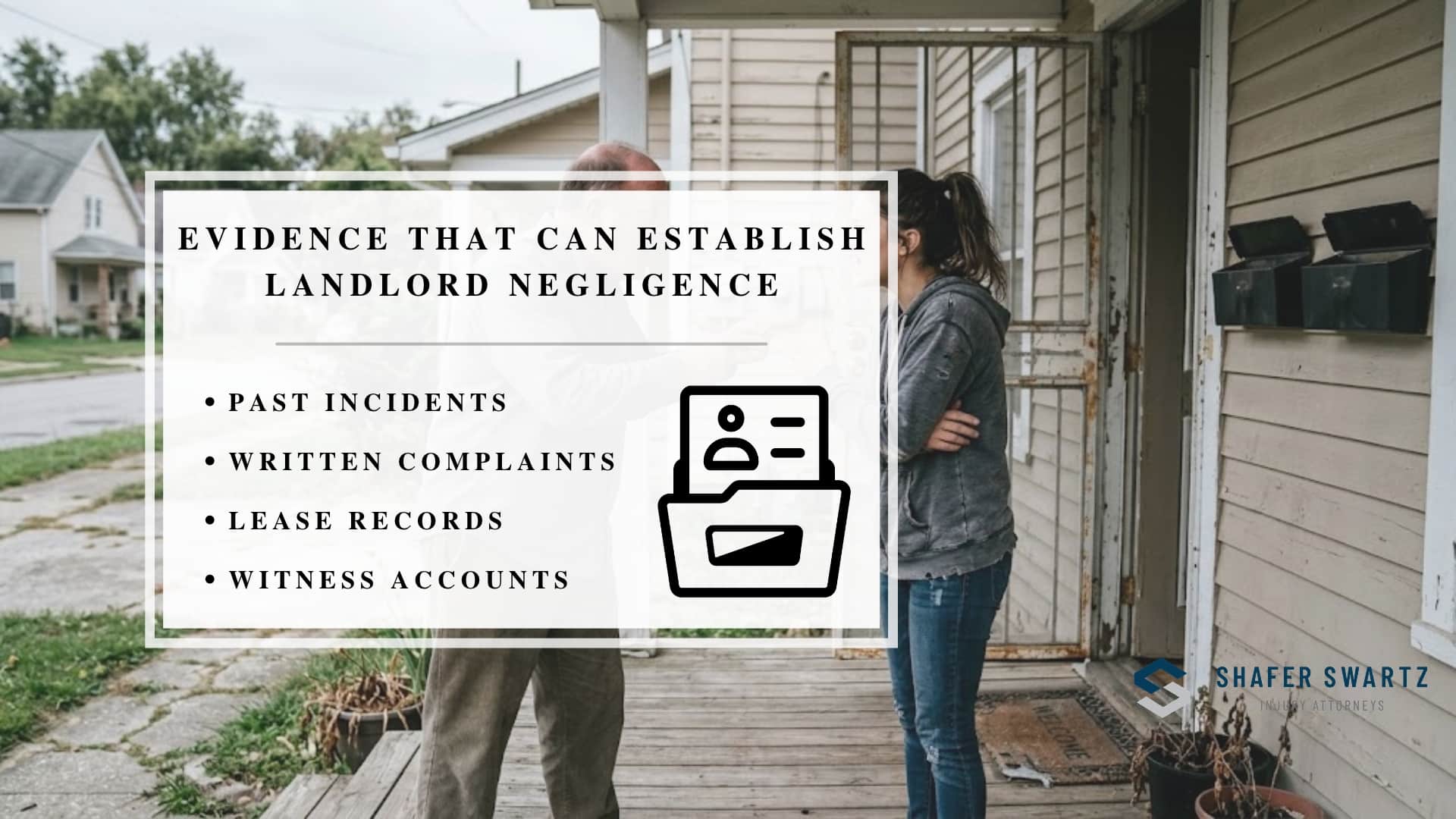
Evidence That Can Establish Landlord Negligence
If you believe a landlord ignored a known danger, certain evidence can be valuable to establish what the landlord knew before you were injured and whether reasonable action could have prevented the incident. These details can help your local Muskegon dog bite lawyer assess whether the facts support a negligence claim.
Past Incidents
Earlier attacks and repeated escapes can help establish a pattern of dangerous behavior. If the same dog previously bit another resident or regularly ran loose near an apartment entrance, such details might support an argument that a later injury was foreseeable. However, evidence that an incident occurred is not necessarily proof that the landlord knew about it. It’s essential to confirm that the incident was reported to the landlord or observed by someone responsible for managing the property.
Written Complaints
Emails, text messages, online maintenance requests, and letters from tenants or neighbors might show that management received warnings about a specific dog. A complaint might describe a dog chasing children near a playground or jumping at visitors in a hallway. Keep copies showing dates and any responses. If management acknowledged the complaint or promised to investigate, preserve that reply as well. Written complaints can help establish a timeline, but still need to be considered alongside the location of the eventual attack.
Lease Records
A lease agreement might explain pet restrictions, leash requirements, areas open to tenants, and what management can do when rules are broken. Property notices, pet registration forms, inspection records, and messages between the tenant and management can further clarify whether the landlord had information about a particular animal. Still, a lease violation does not automatically make a landlord responsible for a dog bite. In fact, Michigan courts have rejected liability based solely on the failure of the landlord to enforce pet rules.
Witness Accounts
Witnesses might provide details that photographs or written complaints cannot show. A neighbor might remember reporting that the dog threatened children in a hallway. A maintenance worker might have witnessed a separate encounter and told property management. Ask witnesses for their names and contact information, and a clear account of what the witnesses personally saw, heard, or reported. Security footage and dated incident logs can support those accounts. Make sure to preserve evidence early to avoid spoliation.
Protecting Your Rights After a Dog Bite at a Rental Property
Seek medical attention promptly after a dog bite incident. Document your injuries, and keep medical bills and treatment records. Report the incident to local animal control. Identify the dog owner, the property owner, and any management company involved. Keep witness contact details, prior complaints, relevant messages, and photographs of the area where the dog bite occurred. If surveillance video exists, request that it be preserved as soon as possible.
Let Shafer Swartz PLC review the circumstances of your injury, examine management records, identify responsible parties, and help you understand your legal options. Our experienced Muskegon dog bite lawyers can gather necessary evidence, deal with insurance adjusters, and pursue compensation for medical expenses, lost income, pain and suffering, and other recoverable losses. Contact us today at (231) 722-2444 or here to schedule a consultation.